Process Automation vs. Factory Automation: Choosing the Right Control Strategy
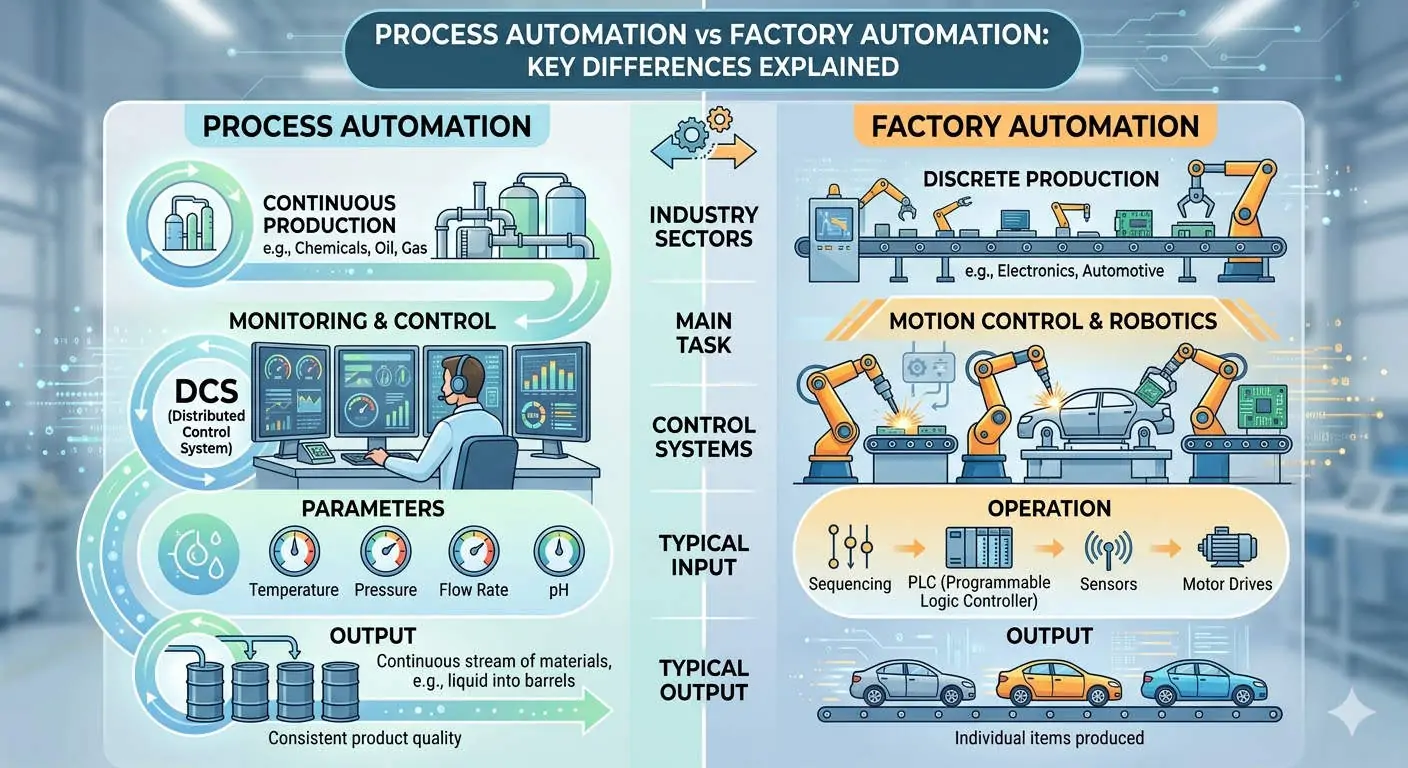
Understanding the difference between process and factory automation is vital for any industrial project. While both aim to improve efficiency, they serve very different production environments. Process automation manages continuous flows, such as oil, chemicals, or pharmaceuticals. In contrast, factory automation focuses on discrete manufacturing, like automotive assembly or electronics. Selecting the wrong system can lead to massive inefficiencies. At Oiltech Controls, we help clients navigate these technical choices to ensure long-term operational success.
Defining the Core Value of Industrial Control Systems
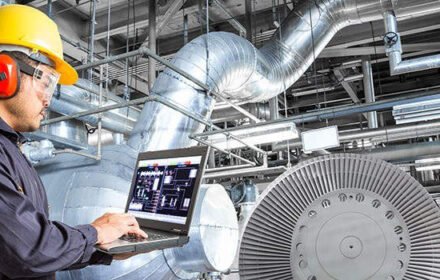
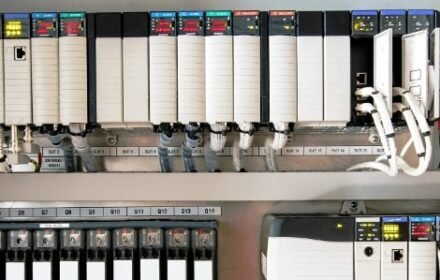
Process automation ensures stable and safe production for continuous batches. It manages critical variables like temperature, pressure, and flow using Distributed Control Systems (DCS). However, factory automation prioritizes high-speed precision and repeatability. It utilizes PLC-based systems to control robotics, conveyors, and assembly lines. For chemical plants, process control is a safety necessity. For electronics manufacturers, factory automation is the key to scalable volume.
Technical Insight: Precision vs. Predictable Stability
Response time requirements differ significantly between these two automation sectors. Factory automation requires millisecond PLC scan times to trigger high-speed actuators. Any delay can cause mechanical misalignment or reduced throughput. In process automation, stability is more important than raw speed. Slow but steady control loops prevent oscillations in temperature or pressure. As a result, the product quality remains consistent throughout the entire production run.
Environmental Tolerance in Harsh Industrial Settings
Industrial hardware must withstand extreme conditions to maintain a long lifespan. Process industries often operate in corrosive or humid outdoor environments. Therefore, equipment needs high IP ratings and conformal coating. Factory settings face different challenges, such as constant mechanical vibration. Choosing hardware with inadequate protection leads to intermittent faults. High-quality components from brands like ABB or Honeywell mitigate these environmental risks effectively.
Protocol Compatibility and System Integration
Protocol selection directly impacts how easily you can scale your system. Process automation relies heavily on legacy standards like Modbus and HART. However, factory automation thrives on real-time Ethernet protocols like Profinet or EtherNet/IP. These protocols allow high-speed communication between drives and controllers. Using incompatible protocols often requires expensive gateway hardware. Moreover, it creates additional failure points within your control network.
Installation and Maintenance for Maximum Uptime
- Vibration Resistance: Use spring-clamp terminals in factory environments to prevent loose connections.
- Surge Protection: Install external SPDs in process plants to protect I/O modules from lightning.
- Shielding Practices: Implement single-point grounding for cables to avoid disruptive ground loops.
- Strain Relief: Secure all cabling properly to avoid physical connector damage over time.
Expert Insights from Oiltech Controls
In my experience, the lines between these two fields are starting to blur. Modern “Hybrid” systems now offer the speed of a PLC with the complex logic of a DCS. However, you should still choose hardware based on your primary production variable. If you manage fluids or gases, stick with process-oriented hardware. For reliable sourcing of specialized automation parts, visit the experts at Oiltech Controls Limited to explore our latest inventory.
Application Scenarios
- Process Automation: Refining crude oil, pasteurizing milk, or managing large-scale water treatment.
- Factory Automation: Bottling beverages, assembling smartphones, or robotic welding in car plants.
Frequently Asked Questions (FAQ)
1. Can I use a PLC for process automation tasks?
Yes, modern PLCs are powerful. However, they may lack the native redundancy and complex PID libraries found in a DCS.
2. Why is grounding so critical in mixed automation systems?
Mixed systems often create noise. Proper grounding prevents communication errors that lead to “ghost” faults in the software.
3. Is it expensive to retrofit legacy equipment with new protocols?
It depends on the architecture. Using OPC UA gateways can bridge the gap without replacing expensive field instruments.