ControlLogix Modbus Integration Strategies for Modern Industrial Automation
The Legacy Integration Challenge
Modern industrial automation faces significant integration challenges. Many facilities operate older Modbus devices. These legacy systems must connect with new ControlLogix platforms. According to ARC Advisory Group, over 50% of industrial devices still use Modbus. Therefore, protocol conversion becomes essential for modernization.
ControlLogix Platform Capabilities
Allen-Bradley ControlLogix delivers high-performance control. It serves as both PLC and DCS in many applications. The platform uses EtherNet/IP for communication. Moreover, it handles complex automation tasks effectively. This makes it ideal for modern factory automation projects.
Modbus Protocol Endurance
Modbus remains the most widely deployed industrial protocol. Its simplicity and reliability ensure continued use. Many sensors and instruments only support Modbus. Consequently, plants must integrate these devices. This preserves significant capital investments in existing equipment.
Integration Methodology Options
- ControlLogix native communication modules
- External protocol conversion gateways
- Software-based socket services
- Third-party interface solutions
- Hybrid integration approaches
Technical Implementation Considerations
Successful integration requires careful planning. Data mapping must be accurate and consistent. Network configuration needs proper optimization. Additionally, error handling requires robust implementation. These factors ensure reliable system operation.
Performance and Reliability Factors
External gateways often provide superior performance. They reduce processor load on ControlLogix systems. Furthermore, they offer advanced diagnostic capabilities. This approach enhances overall system reliability. It also simplifies troubleshooting processes.
Security Implications
Protocol conversion affects network security. Proper segmentation protects control systems. Gateways should include security features. Access control prevents unauthorized modifications. These measures maintain system integrity.
Real-World Application Example
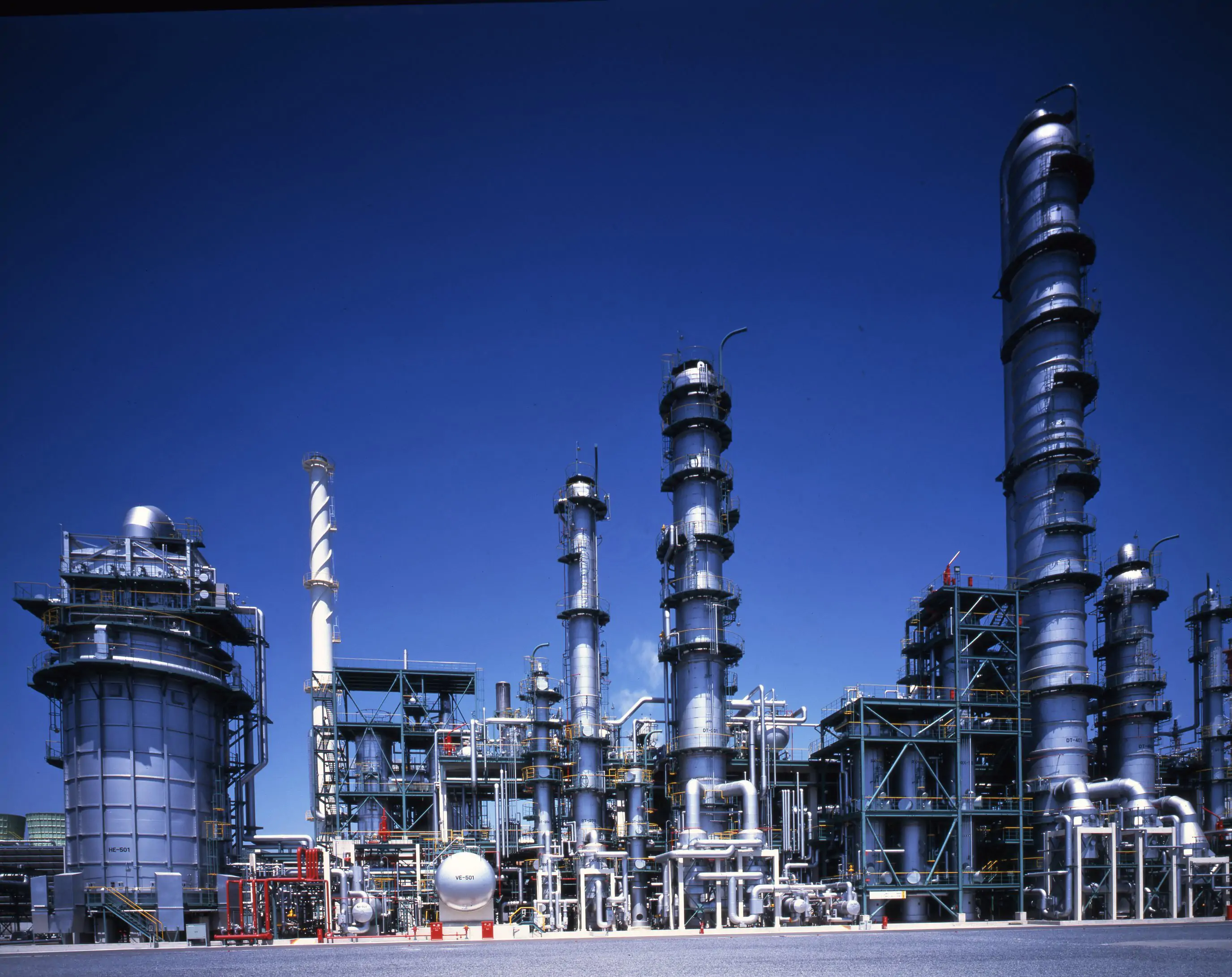
A chemical plant upgraded their control architecture. They maintained forty Modbus temperature transmitters. An external gateway connected them to ControlLogix. This solution saved $250,000 in replacement costs. It also minimized production downtime during implementation.
Expert Analysis from World of PLC
Modbus integration requires understanding both legacy and modern systems. In our experience, dedicated gateways provide the most reliable solution. They ensure data integrity between different protocols. For professional integration solutions, explore World of PLC’s product offerings.
Implementation Best Practices
- Conduct thorough device inventory assessment
- Develop detailed data mapping documentation
- Test communication before full deployment
- Establish maintenance and monitoring procedures
- Train operations staff on new interfaces
Future Compatibility Planning
Industrial protocols continue evolving. New standards like OPC UA gain adoption. However, Modbus will remain relevant for years. Therefore, integration solutions should support future needs. This ensures long-term system viability.
Cost-Benefit Analysis
Protocol integration delivers significant financial benefits. It extends equipment service life substantially. Moreover, it reduces capital expenditure requirements. These factors make integration economically attractive for most facilities.
Frequently Asked Questions
What scan rate performance can I expect with Modbus integration?
Typical update rates range from 100-500 milliseconds depending on network configuration, gateway capability, and the number of devices being polled simultaneously.
How do I handle different Modbus versions (RTU vs TCP) in one system?
Many modern gateways support both protocols simultaneously, allowing mixed installations without requiring separate hardware for each protocol type.
What are the most common data mapping errors during integration?
Engineers frequently confuse register numbering (0-based vs 1-based), data types (16-bit vs 32-bit), and byte ordering, which requires careful documentation review.
| Model | Title | Link |
|---|---|---|
| 1756-L72K | Allen Bradley ControlLogix Processor | Learn More |
| 1756-L81E-NSE | Allen Bradley ControlLogix Controller | Learn More |
| 1756-L81EP | Allen Bradley ControlLogix Process Controller | Learn More |