



Product Overview
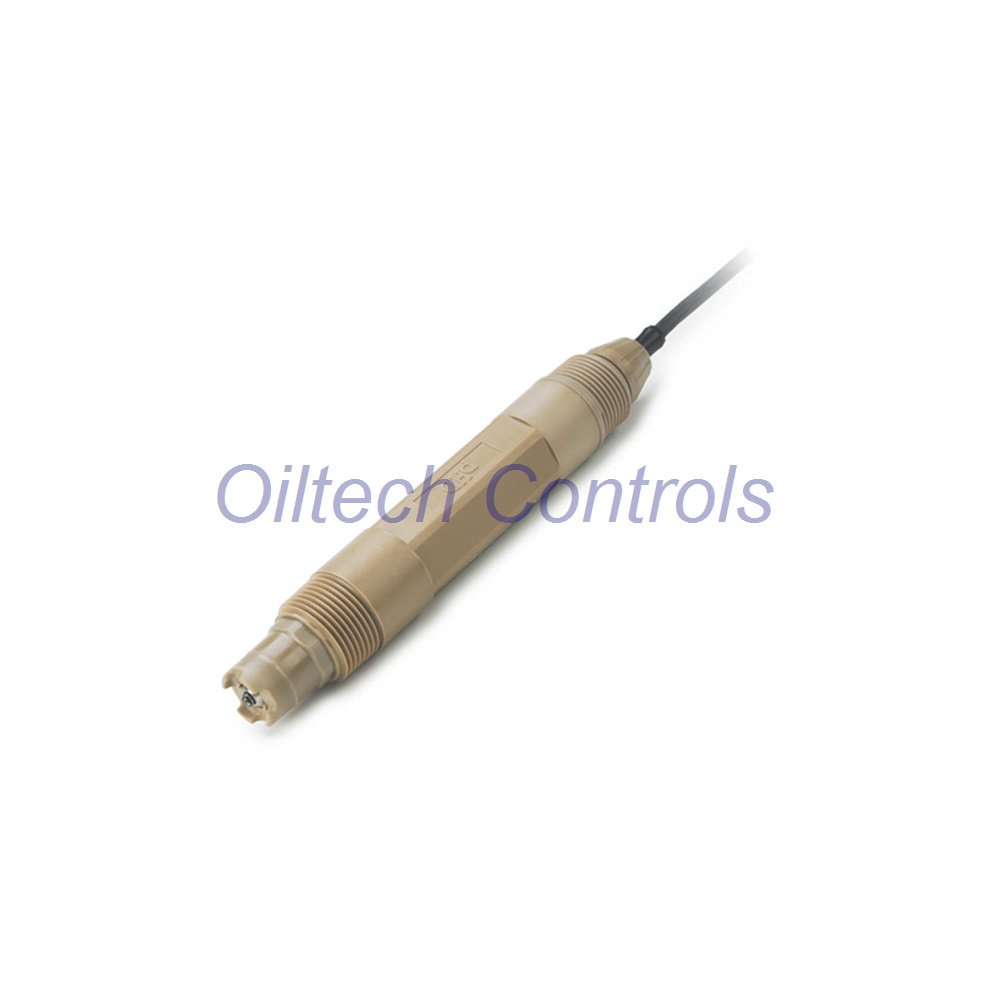
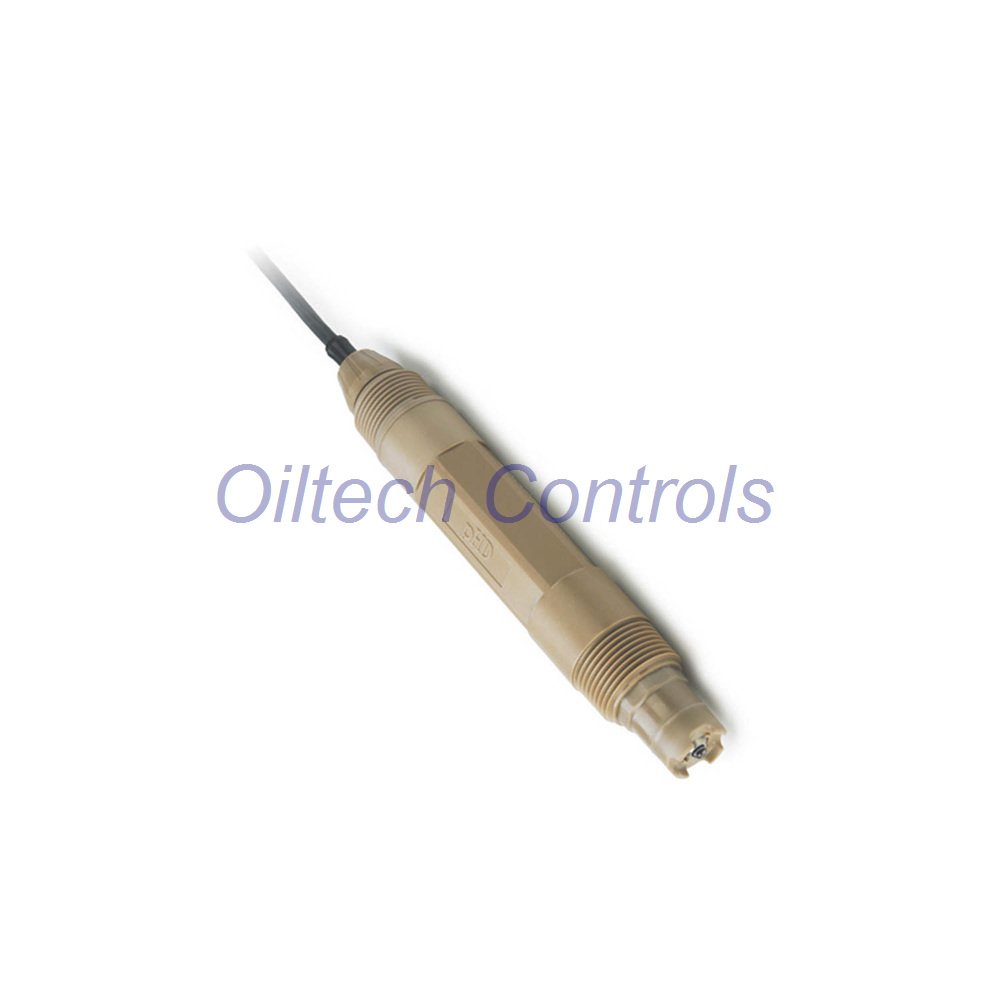
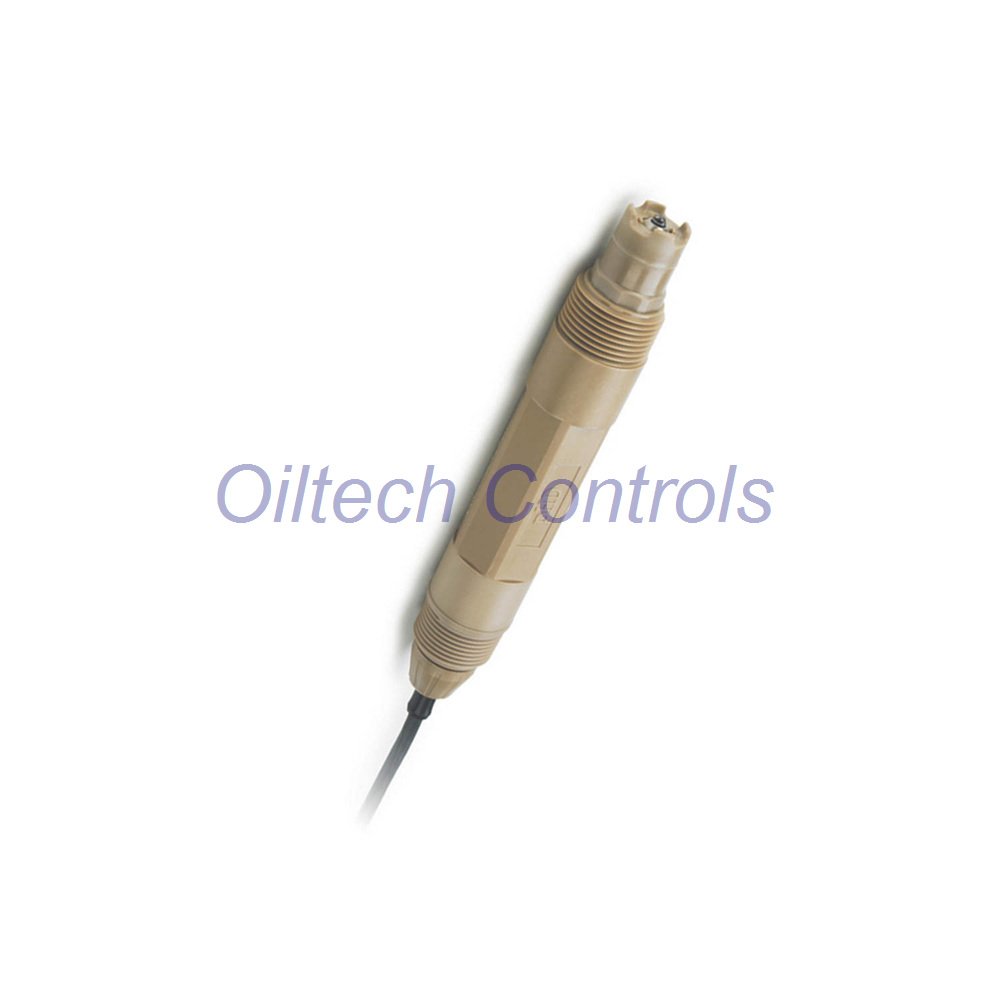
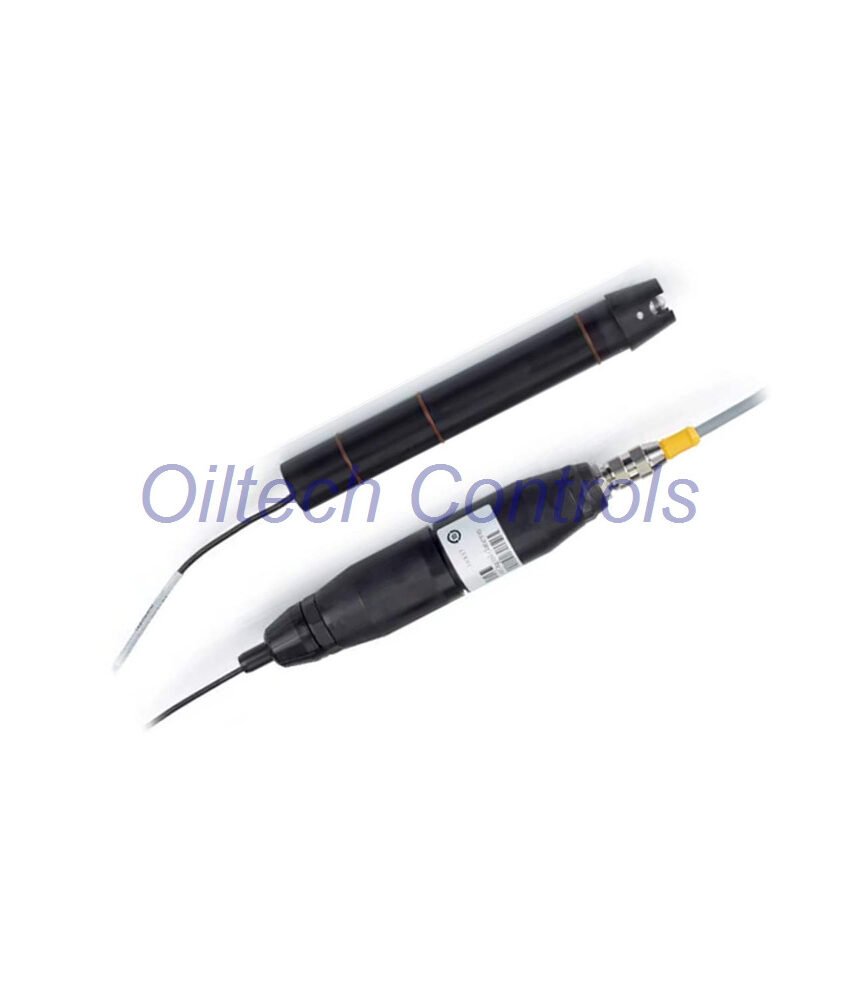
The Hach PD1P1 stands as a premium, wide-range differential pH sensor designed for challenging industrial environments. Its robust PEEK body construction ensures exceptional chemical resistance and structural integrity. This sensor utilizes a Titanium ground electrode to minimize noise and improve signal stability. The PD1P1 series delivers reliable, accurate pH monitoring even in harsh, high-pressure, or high-temperature processes.
Technical Specifications
- Brand: Hach
- Model: PD1P1
- Measurement Range: -2.0 to 14.0 pH
- Accuracy: ± 0.02 pH
- Repeatability: ± 0.05 pH
- Temperature Range: -5 to 105 °C
- Temperature Accuracy: ± 0.5 °C
- Pressure Limit: 10.7 bar (sensor only)
- Flow Rate: Maximum 3 m/s
- Resolution/Drift: 0.03 pH per 24 hours (non-cumulative)
- Interference Resistance: Integrated differential design with isolated shielding
- Material: PEEK body with Titanium ground electrode
Installation and Integration
- Mounting: Convertible design for flexible installation requirements.
- Thread: 1″ NPT standard at both ends for universal fitting.
- Connection: 4.5 m, 5-conductor cable with high-temperature XLPE jacket.
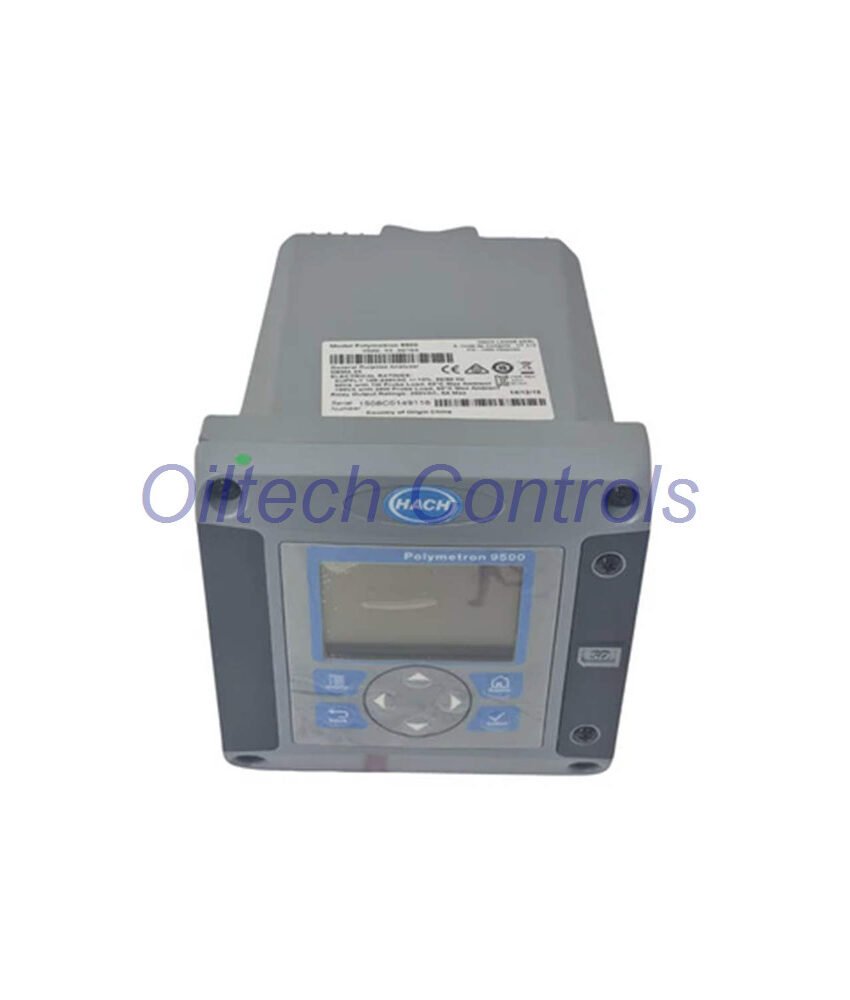
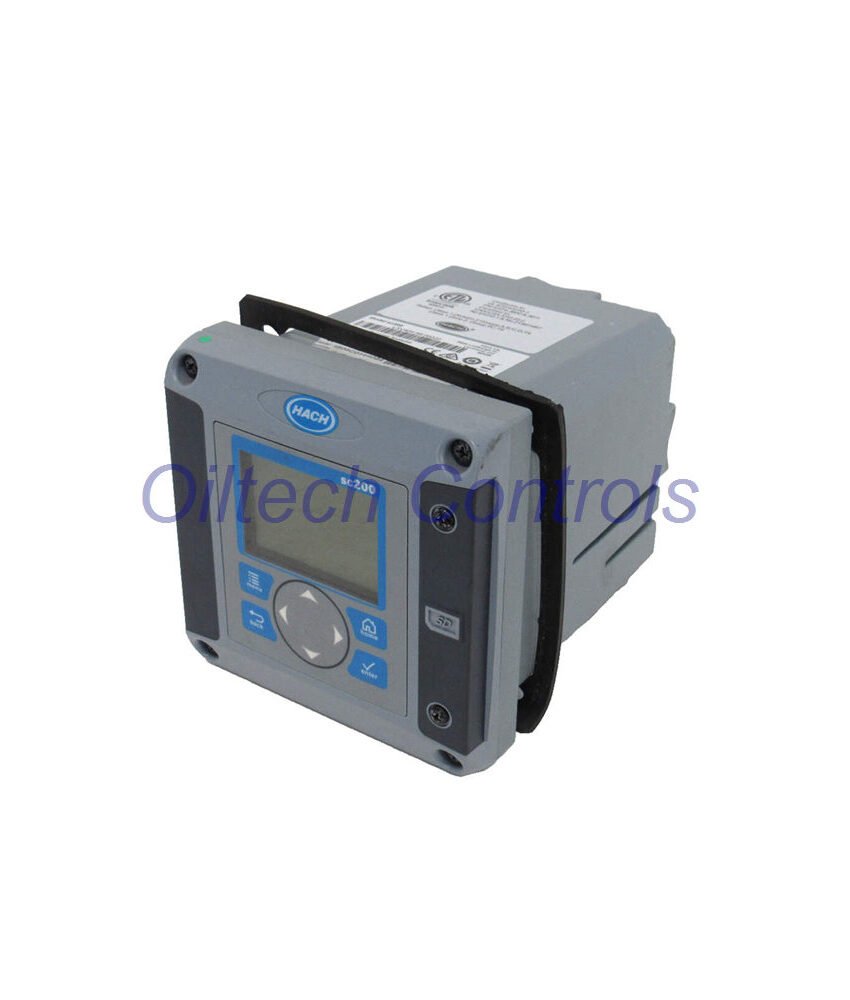
- Compatibility: Compatible with industrial analyzers supporting MODBUS and NTC 300 Ω inputs.
Calibration, Maintenance, and Diagnostics
- Calibration: Supports two-point or one-point calibration, both automatic and manual.
- Temperature Compensation: Automatic via NTC 300 Ω thermistor.
- Pure Water Compensation: Includes pre-programmed correction factors for ammonia and morpholine.
- Diagnostic Capability: Superior noise immunity reduces false readings and simplifies fault detection.
Ordering and Logistics
- Warranty: 12-month standard warranty.
- Shipping Lead Time: Ready for dispatch within 24-48 hours.
- Logistics Partners: We utilize FedEx, UPS, and DHL for global shipping.
- Included in Box: PD1P1 Sensor, 4.5m cable, and installation documentation.
Frequently Asked Questions
What makes the PD1P1 different from standard glass electrodes?
The differential design and titanium ground electrode provide superior resistance to ground loops and signal interference compared to conventional sensors.
How often should I calibrate the sensor?
Calibration frequency depends on the process conditions; however, the stable drift rate of 0.03 pH/24h typically allows for extended service intervals.
Can this sensor be used in high-purity water?
Yes, the sensor includes selectable temperature correction factors specifically designed for pure water applications with ammonia or morpholine.
What is the best way to clean the sensor?
Use a soft cloth and a mild detergent or dilute acid to clean the bulb, depending on the nature of the coating, taking care not to scratch the glass.
Buying Guide
- Ensure the process pressure does not exceed 10.7 bar at the mounting site.
- Confirm your controller supports NTC 300 Ω inputs for automatic temperature compensation.
- Verify chemical compatibility with PEEK if your process involves aggressive solvents.
- If your application involves high-purity water, ensure you select the appropriate correction factor in your analyzer menu.

Reviews
There are no reviews yet.