Siemens Advances Industrial Automation with Future-Focused Training Program
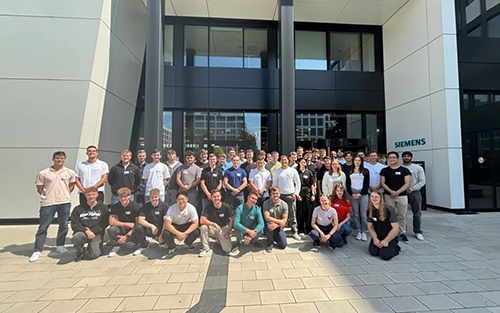
Siemens welcomes 1,700 young professionals to their 2025 training program. This initiative prepares Generation Z for tomorrow’s industrial workplace. The program emphasizes digital skills and responsible AI implementation.
Digital Transformation in Workforce Development
Siemens integrates advanced technologies into their training curriculum. They use virtual and augmented reality for immersive learning. The program also incorporates AI tools and data analytics. These methods prepare trainees for modern industrial automation environments.
Building Critical Skills for Industrial Automation
The training focuses on essential technical competencies:
- Artificial Intelligence and machine learning applications
- Industrial IoT and data analytics implementation
- Cybersecurity for control systems and networks
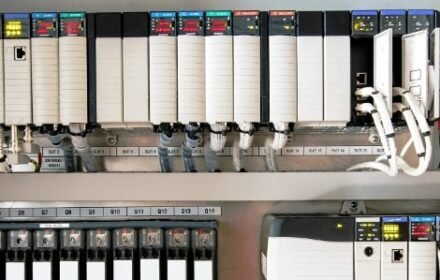
- PLC programming and DCS operation fundamentals
Leadership Perspective on Education Strategy
Judith Wiese, Siemens Chief People Officer, emphasizes their educational approach. She states that education drives innovation and social progress. The company fosters both digital expertise and fundamental competencies. This includes critical thinking and problem-solving skills.
AI Integration in Technical Training
Siemens incorporates generative AI throughout their training programs. They teach trainees to use AI tools efficiently and responsibly. The curriculum treats AI as an interdisciplinary subject. This approach ensures comprehensive understanding across all technical domains.
Digital Innovation in Training Administration
Siemens implements digital training agreements with e-signatures. This process increases efficiency and supports sustainability goals. Digital tools make education more accessible and modern. The system aligns with requirements for a digital learning society.
STEM Education and Career Development
The SIEYA@School initiative reaches 21,000 young talents nationwide. This program brings STEM education directly into classrooms. It combines interactive learning with career orientation. The approach reduces teacher workloads while exciting students about technical careers.
Industry Context and Market Trends
The global industrial automation market faces significant skills shortages. According to IEEE research, 68% of manufacturers report difficulty finding qualified automation professionals. Siemens’ investment addresses this critical industry challenge. The company invested €442 million in workforce development during fiscal 2024.
Author’s Insight: Implications for Industrial Automation
Siemens’ training approach sets important industry standards. Their focus on AI and digital tools reflects evolving automation requirements. Modern factories need professionals who understand both PLC systems and AI integration. This comprehensive training model benefits the entire industrial automation sector. Companies seeking skilled automation professionals should note Siemens’ successful approach. For industrial automation resources and training materials, visit World of PLC.
Practical Implementation Example
A recent Siemens trainee developed an AI-assisted maintenance system for factory automation. The system reduced equipment downtime by 25% through predictive analytics. This demonstrates the practical value of their training methodology in real industrial settings.
FAQ
What technical skills do Siemens training programs emphasize?
The programs focus on AI, IoT, cybersecurity, and control systems including PLC and DCS technologies.
How does Siemens integrate AI into their training curriculum?
They teach responsible AI use as an interdisciplinary topic across all technical training modules.
What industries benefit from Siemens-trained professionals?
Graduates typically enter industrial automation, manufacturing, infrastructure, and mobility sectors.