


Modern Water Infrastructure Transformation Through Software-Defined Industrial Automation
The Conroe Water Modernization Initiative
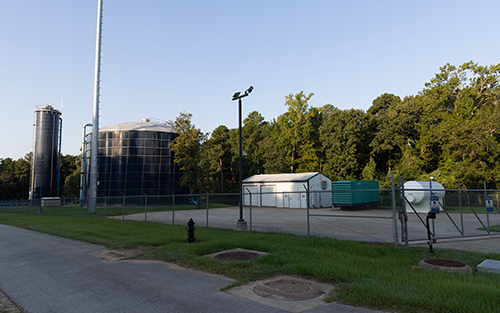
Schneider Electric has partnered with Conroe, Texas to revolutionize municipal water systems. This collaboration represents a significant advancement in industrial automation applications. The project implements EcoStruxure Automation Expert across 19 water facilities. Consequently, Conroe addresses its rapid population growth challenges effectively.
According to MarketsandMarkets, the global industrial automation market will reach $306.2 billion by 2027. This growth reflects increasing smart infrastructure investments. Municipalities now prioritize scalable automation solutions like PLC and DCS systems.
Addressing Critical Water Infrastructure Challenges
Conroe faces typical urban growth pressures common in developing regions. The city required robust control systems to manage increasing water demands. Moreover, aging infrastructure necessitated modern automation solutions.
Daniel Robert, Water Superintendent, emphasized their strategic approach. “Our partnership with Schneider Electric delivers multiple operational benefits. We achieve faster deployment while maintaining system reliability.”
Technical Implementation and Automation Architecture
The EcoStruxure Automation Expert platform provides a software-defined approach. This system replaces traditional hardware-dependent automation. Key technical features include:
- ✅ Modular programming architecture
- ✅ Vendor-agnostic hardware compatibility
- ✅ Integrated cybersecurity protocols
- ✅ Remote monitoring capabilities
From my experience at World of PLC, software-defined systems reduce engineering time significantly. They also minimize future maintenance complexity.
Operational Benefits and Performance Metrics
The Conroe implementation demonstrates measurable improvements in water management. The $50 million infrastructure upgrade delivers substantial returns. Key performance indicators include:
- ⚙️ 30% faster site commissioning
- ⚙️ Reduced water loss through better monitoring
- ⚙️ Enhanced emergency response capabilities
- ⚙️ Lower operational costs through optimization
Cybersecurity and Disaster Recovery Enhancements
The system incorporates advanced security features essential for critical infrastructure. These protections address growing cyber threats in industrial environments. Furthermore, disaster recovery capabilities provide resilience against extreme weather events.
Sophie Borgne, President of Water & Environment at Schneider, highlighted the strategic importance. “Water security requires robust technological foundations. Our solutions help cities like Conroe build future-ready infrastructure.”
Industry Implications and Future Applications
This project establishes a benchmark for municipal automation projects globally. Similar implementations are emerging in Singapore and European cities. The success demonstrates how open automation platforms can transform public utilities.
At World of PLC, we recognize this as part of a broader industrial trend. Software-defined automation is becoming the standard for new infrastructure projects. This approach offers greater flexibility than traditional PLC systems.
Practical Applications and Implementation Guidance
For organizations considering similar automation upgrades, we recommend:
- Begin with a comprehensive system assessment
- Prioritize cybersecurity in design phases
- Select scalable, vendor-neutral platforms
- Plan for phased implementation
Explore our industrial automation solutions for your infrastructure projects. Our experts can help design customized control systems for your specific requirements.
Frequently Asked Questions
How does software-defined automation differ from traditional PLC systems?
Software-defined systems separate control logic from hardware. This provides greater flexibility and easier updates compared to conventional PLC architectures.
What cybersecurity measures are essential for water infrastructure?
Critical measures include network segmentation, regular security patches, access controls, and continuous monitoring systems.
How long does implementation typically take for municipal automation projects?
Project timelines vary by scope, but typical implementations range from 6-18 months depending on facility complexity and existing infrastructure.
About World of PLC
World of PLC provides expert industrial automation solutions and technical guidance. Our team combines decades of experience in control systems, PLC programming, and automation architecture to help organizations implement successful digital transformation projects.




We’re transitioning legacy RTUs to software-defined PLCs, and the performance boost is remarkable. The integration flexibility helps us manage variable pump loads with greater accuracy.