
Mastering Industrial Pressure Measurement for Reliable Process Control
Avoid common installation errors that compromise pressure reading accuracy in industrial automation systems.
Understanding Pressure Measurement Fundamentals
Pressure measurement remains critical for industrial process control. Engineers often encounter puzzling pressure readings in their systems. Downstream pressure sometimes exceeds upstream values unexpectedly. These anomalies typically stem from installation errors rather than equipment failure. Understanding static versus dynamic pressure concepts is essential. Static pressure represents the fluid’s potential energy. Dynamic pressure relates to fluid motion energy. Pressure sensors usually measure only static pressure. However, incorrect installation can introduce dynamic pressure errors.
Transmitter Elevation and Liquid Head Effects
Sensor placement height significantly impacts measurement accuracy. Transmitters located below tapping points accumulate liquid in tubing. This liquid column creates additional pressure on the sensor. Consequently, readings become higher than the actual process pressure. The opposite occurs with elevated transmitters in vapor service. Condensate formation creates liquid legs that affect readings.
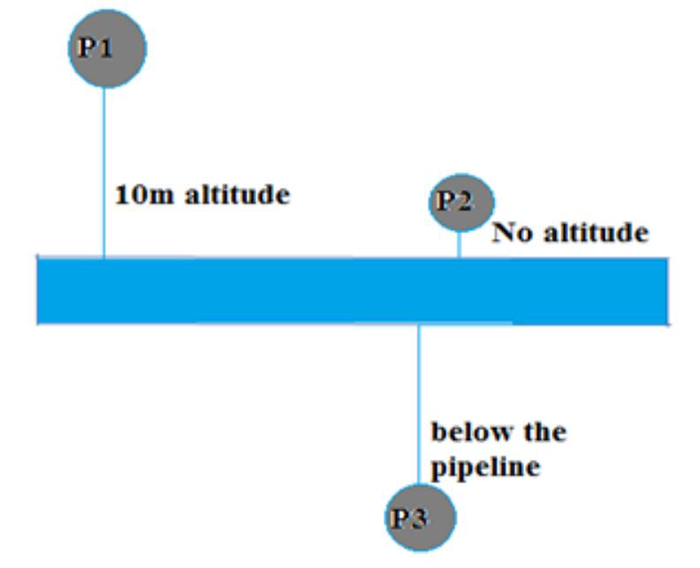
Key installation considerations include:
- Compensate for liquid head in wet leg applications
- Ensure proper drainage for vapor service installations
- Maintain consistent elevation relative to process connections
- Verify calibration accounts for installation conditions
Fluid Momentum Impact on Pressure Readings
Pressure tap location relative to fluid flow direction matters greatly. Taps placed facing incoming flow experience momentum effects. The sensor measures both static and dynamic pressure components. This results in abnormally high readings compared to other locations. This issue commonly affects distillation columns and separator vessels. Nozzle flow can directly impinge on pressure sensors. Therefore, always position taps away from direct fluid streams.
Pipeline Geometry and Measurement Accuracy
Pipe elbows create turbulent flow conditions that affect measurements. Sensors installed at elbows detect increased dynamic pressure. This occurs due to fluid direction changes and velocity variations. The measured value represents total pressure rather than static pressure.
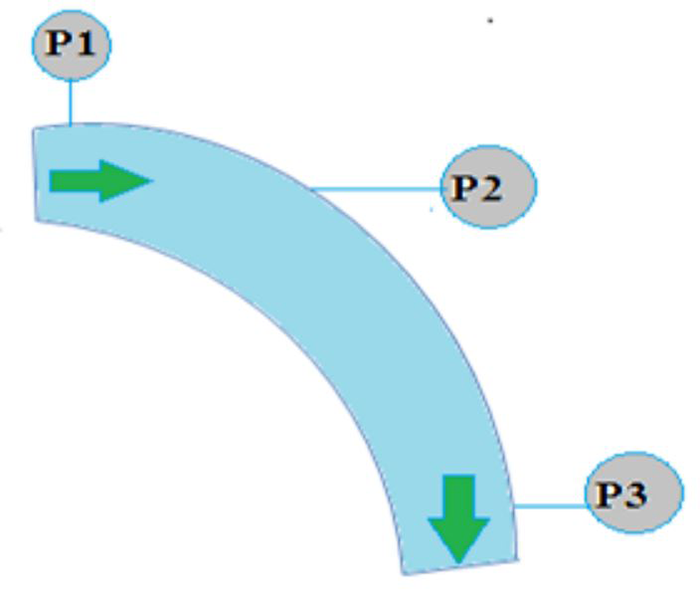
Install pressure sensors in straight pipe sections whenever possible. Maintain adequate distance from elbows and fittings. Follow the 10D rule (10 pipe diameters) for proper placement.
Vessel Versus Pipeline Pressure Measurement
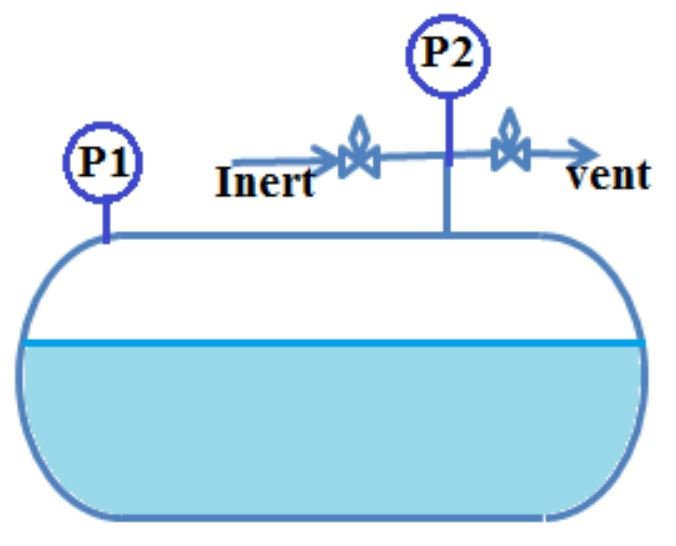
Pressure control systems require careful sensor placement. Vessel pressure control needs direct tank mounting. Pipeline installations introduce flow-related inaccuracies. Gas flow through connected piping affects pressure readings. This causes control instability and setpoint deviations.
Flow Development and Boundary Layer Effects
Fluid requires sufficient distance to develop stable flow profiles. The entrance length needed depends on flow regime. Laminar flow requires longer development distances. Turbulent flow develops more quickly but still needs proper run. Pressure taps should locate after full flow development. This ensures accurate static pressure measurement. Wall proximity affects reading accuracy due to boundary layers.
Process Fluid Challenges and Solutions
Problematic fluids create unique measurement challenges. Congealing materials can plug impulse lines. Slurry services deposit solids in tubing. Remote seal systems help mitigate these issues. However, diaphragm fouling remains a concern. Regular flushing maintains measurement reliability.
Flushing System Design Considerations
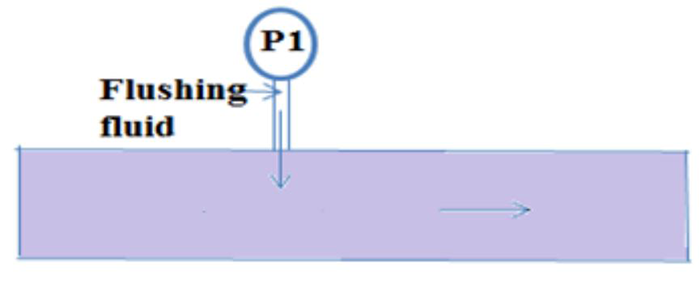
External flushing prevents material buildup in pressure systems. Use compatible fluids to avoid process contamination. Steam, nitrogen, or compatible liquids serve as effective flushing media. However, excessive flush rates create their own problems. High velocity fluid generates pressure measurement errors.
Bernoulli Principle Applications in Process Plants
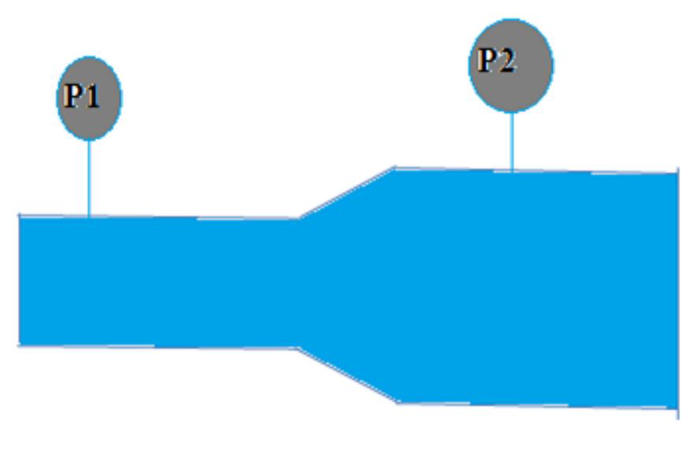
Pipeline expansions and contractions affect pressure distribution. Bernoulli’s principle explains pressure-velocity relationships. Expanding pipe sections convert velocity to pressure energy. This causes downstream pressure increases that surprise operators. Understanding these principles helps interpret unexpected readings.
Best Practices for Reliable Pressure Measurement
Based on our experience at World of PLC, these practices ensure accurate readings:
- Install pressure sensors in straight pipe sections after 10D development length
- Use siphon tubes for high temperature steam applications
- Select appropriate calibration for wet or dry leg conditions
- Implement regular flushing schedules for problematic services
- Mount vessel pressure sensors directly on the equipment
- Specify remote seals for corrosive or slurry applications
- Monitor and control flushing fluid flow rates
- Verify distillation column sensor placement during design reviews
Practical Application: Pump Protection System
Consider a centrifugal pump requiring NPSH monitoring. Correct pressure measurement prevents cavitation damage. Install the suction pressure transmitter directly on the pump nozzle. Ensure proper elevation compensation for liquid services. Use remote seals for viscous or solid-containing fluids. Implement regular calibration checks. This approach maintains pump reliability and process safety.
For comprehensive guidance on pressure transmitter integration with PLC and control systems, visit our technical resource center. We provide detailed specifications and application notes for industrial automation professionals.
Frequently Asked Questions (FAQ)
Why does downstream pressure sometimes exceed upstream pressure?
This can occur due to Bernoulli effects in expanding pipelines, phase changes, or improper sensor placement measuring dynamic rather than static pressure.
How often should pressure transmitters be calibrated?
Calibration frequency depends on process criticality and service conditions. Most plants schedule annual calibration, but harsh services may require quarterly checks.
What is the minimum straight-run requirement for pressure taps?
Industry standards typically recommend 10 pipe diameters downstream of disturbances and 2-5 diameters upstream for accurate measurement.