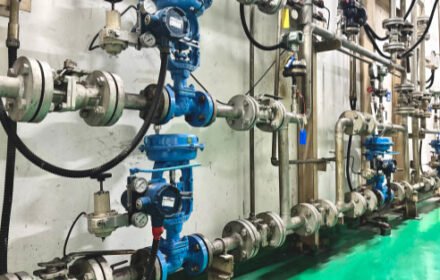
Yokogawa’s Trusted Green Principles: A New Era for Sustainable Industrial Automation
In September 2025, Yokogawa Electric Corporation announced a strategic shift in its product development philosophy. The company has officially established its “Trusted Green” sustainability guiding principles. This framework embeds environmental responsibility across the entire lifecycle of industrial automation systems. It covers everything from initial design to end-of-life recycling.
Why Trusted Green Matters for Modern Industry
Yokogawa has integrated environmental standards for many years. However, the new principles represent a significant evolution. They move beyond traditional Life Cycle Assessment (LCA). The goal is to embrace a holistic, circular economy model. According to MarketsandMarkets, the sustainable process automation market will grow at 8.5% CAGR. This highlights the industry’s urgent shift toward greener solutions. Yokogawa’s initiative directly addresses this growing demand.
Pillar 1: Delivering Unmatched Reliability in Control Systems
Yokogawa correctly identifies reliability as a sustainability component. In industrial automation, system failures cause massive problems. These include energy waste, production halts and safety incidents. The company’s focus on robust control solutions optimizes resource use. It also ensures safer client operations. For example, a reliable flow meter prevents costly leaks. It also ensures precise material usage.
Author’s Insight: Long-term DCS stability significantly reduces environmental footprint. Yokogawa’s cross-departmental collaboration is absolutely crucial for success. This approach ensures products remain dependable throughout their lifecycle.
Pillar 2: Minimizing Environmental Impact Across the Lifecycle
This pillar tackles environmental footprint at every stage. Yokogawa actively works to reduce impact in several key areas:
- Supply Chain: Sourcing from environmentally responsible suppliers
- Manufacturing & Logistics: Optimizing production and transportation emissions
- Product Use: Designing energy-efficient PLCs and controllers
Moreover, the design philosophy now prioritizes repairability. It also focuses on future recyclability. This acknowledges industrial assets’ long operational lifespans.
Pillar 3: Creating a Circular Ecosystem for Automation
This represents the most forward-thinking Trusted Green aspect. Industrial plants often operate for 20-30 years. Replacing thousands of units requires careful planning. Yokogawa’s approach involves several key strategies:
- Designing for continuity and data reuse
- Collaborating on large-scale replacement projects
- Building recycling partnerships for end-of-life products
This shifts the industry from linear “take-make-dispose” models. The new approach embraces circular resource flows.
Linking to a Broader Sustainability Vision
Trusted Green is not an isolated program. It supports Yokogawa’s “Three Goals” for 2050. These targets include net-zero emissions and circular economy transition. The company aims to enable customer sustainability journeys. Therefore, environmentally conscious automation solutions become essential enablers.
Practical Applications and Solutions
How does this translate to real-world factory operations? Consider a chemical plant upgrading its control system. Choosing a principles-committed vendor enables:
- Installation of 15% more energy-efficient DCS
- Phased migration reusing existing infrastructure
- Proper recycling of decommissioned hardware
For implementation guidance, explore sustainable PLC and industrial control products. This represents a critical first step toward greener operations.
Frequently Asked Questions (FAQ)
Q: How do Trusted Green principles affect product costs?
A: Sustainable sourcing may influence initial pricing. However, reliability and efficiency reduce Total Cost of Ownership. This occurs through fewer failures and energy savings.
Q: Can existing products join this circular ecosystem?
A: Yes, backward compatibility is a core philosophy. Yokogawa provides pathways for older systems. These include service, upgrades and eventual recycling.
Q: What’s most important for factory automation sustainability?
A: Integrating long-term reliability with energy efficiency. Stable, efficient systems deliver the best environmental and economic returns.