Diagnosing “Cooling Water Flow Low” Alarms in GE EX2100 Excitation Systems
The Impact of WETBH1ABA Alarms on Thyristor Bridges
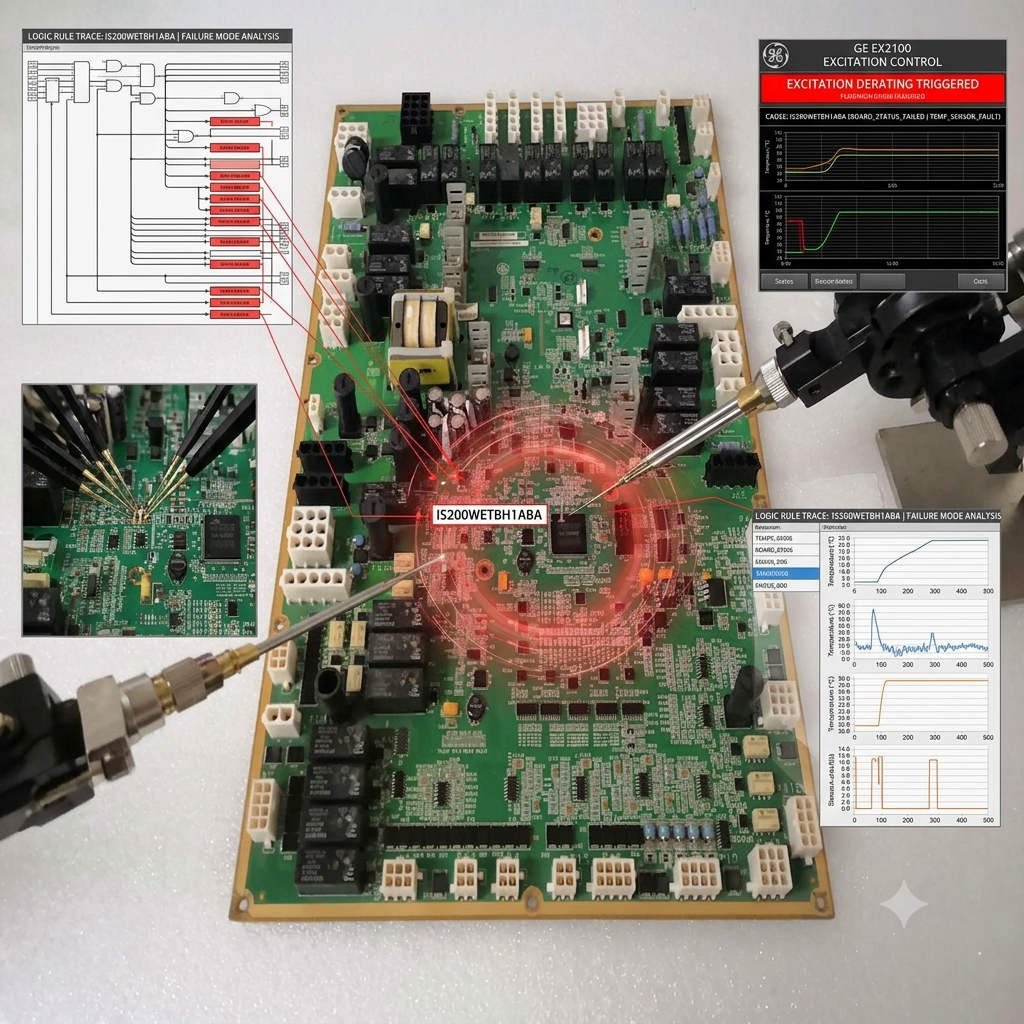
In GE EX2100 excitation systems, the IS200WETBH1ABA Water Flow Monitoring Module provides essential protection for high-power thyristor rectifier bridges. Operators frequently ask if a false “Cooling Water Flow Low” alarm forces the system into a derated state. At Oiltech Controls Limited, we emphasize that the hardware itself does not trigger derating. Instead, the excitation control logic, configured within the EX2100 environment, dictates the response. If your system links cooling flow to thermal protection, a false alarm can indeed initiate unnecessary output limiting.
Technical Logic Behind Bridge Protection
Excitation systems manage substantial thermal energy during normal operation. Therefore, cooling water flow must remain consistent to prevent semiconductor junction degradation. Many modern configurations treat a validated low-flow condition as a trigger for excitation current limiting or bridge derating. However, we often find that nuisance alarms originate from analog signal instability rather than hydraulic issues. Poor grounding or sensor drift often misleads the controller, causing it to react to non-existent cooling threats. As a result, maintaining signal integrity is as vital as the cooling process itself.
Diagnostic Steps for Reliable Monitoring
Before suspecting a hardware failure, follow these steps to isolate the root cause of your alarms:
- ✅ Validate Sensor Calibration: Compare the flow transmitter output against independent, calibrated measurement devices during your annual outage.
- ⚙️ Inspect Grounding Shields: Ensure that all cable shields follow GE installation standards to prevent electrical noise from nearby high-current buswork.
- 🔧 Review Alarm Delays: Adjust filtering parameters in the ToolboxST environment if pump startup transients frequently trigger intermittent low-flow alerts.
- 🔍 Test Insulation Resistance: Verify that wiring degradation is not introducing intermittent shorts that mimic flow switch activation.
Author Insights on System Reliability
At Oiltech Controls Limited, we observe that instrumentation maintenance is often overlooked until a trip occurs. Many “low flow” events are simply products of scale buildup in sensors or aging transmitter components. We recommend treating the IS200WETBH1ABA as part of an integrated loop. When you modify your cooling pumps or heat exchangers, always review your protection logic settings. Small hydraulic changes can alter the timing of flow arrival, making your existing alarm delay parameters obsolete. Proactive configuration reviews save significant production time and prevent avoidable bridge derating incidents.
Frequently Asked Questions (FAQ)
Q: If I replace my water pump, do I need to update my EX2100 configuration?
A: Yes. A new pump may have a different pressure ramp-up profile. If the flow takes longer to reach the threshold, your software alarm delay must be adjusted to prevent nuisance triggers.
Q: Can a ground loop really cause a “flow low” alarm?
A: Absolutely. Electrical interference from high-current thyristor bridges can induce voltage on analog signal lines, causing the controller to read a lower-than-actual flow value.
Q: Is it safe to bypass the cooling flow interlock during emergency production?
A: We strongly advise against this. Thyristor bridges can fail in seconds without adequate cooling. Always resolve the alarm through proper calibration or logic verification before continuing operation.
Reliable excitation control is critical to your facility’s power quality and operational success. At Oiltech Controls Limited, we specialize in high-quality spare parts and technical support for GE EX2100 and Mark VIe systems. If you are struggling with persistent alarm issues or need advice on system migrations, our team provides the professional guidance to keep your equipment protected. Visit our website today to view our inventory and learn more about our commitment to your operational excellence.